


Registries, Natural History Studies, & Clinical Trials
How They Work
Registries often act as the first line of insight. They collect and organize data from patients, caregivers, and providers, tracking diagnoses, treatments, symptoms, and daily challenges. This foundational information helps identify trends, unmet needs, and potential candidates for future research.
Natural history studies build on this by observing how a rare disease unfolds over time, without any intervention. These studies provide an in-depth look at the progression of symptoms and the variability of the condition across different individuals. In many cases, natural history studies are developed from registry data or even built into registries themselves.
Then come clinical trials, which use the knowledge gained from both registries and natural history studies to test new therapies. The understanding of disease patterns and patient experiences, gathered from years of observational data, helps ensure that trials are safer, more targeted, and focused on outcomes that actually matter to the community.
Together, this trio creates a powerful cycle of discovery. By engaging with one or all of these tools, stakeholders at every level, patients, families, clinicians, researchers, and industry, can help accelerate treatment development and bring visibility to conditions that have historically been overlooked.
Registry
A patient registry is a secure database that collects health information from individuals living with a specific rare disease. Registries help researchers understand patterns, track outcomes, identify trial candidates, and accelerate the development of treatments. They’re especially crucial in rare diseases, where data is limited and scattered across the globe.
Finding the right registry can be a powerful first step in shaping the future of care for your condition, or the community you advocate for. Registries are where critical stories and data meet to fuel new discoveries, treatments, and clinical trials. Some registries are global, some condition-specific, and some are linked to natural history studies or trial networks.
Finding a Registry
Engaging with Registries
-
The National Organization for Rare Disorders (NORD) provides the IAMRARE® platform, enabling patient organizations to develop and manage their own registries. This initiative supports the collection of natural history data and facilitates patient-centered research.
-
GARD offers personalized assistance to help individuals find information about rare diseases, including available registries and clinical studies. Their information specialists can guide users through the process of locating relevant resources.
-
CoRDS is a centralized international registry that connects patients, advocacy groups, and researchers across various rare diseases. It offers a free and secure platform for individuals to contribute their health information, aiding in the advancement of rare disease research.
-
Orphanet offers a comprehensive directory of patient registries focused on rare diseases. Users can search by disease name, registry type, or country, making it a valuable resource for patients, caregivers, and researchers seeking condition-specific registries.
-
RDCRN supports collaborative research on nearly 200 rare diseases. In addition to clinical studies, it provides patient registries, and more resources for patients, caregivers, and researchers.
Start by being proactive: many registries are hosted by patient organizations or research institutions that welcome questions and provide direct support to help you get involved.
Once connected, make it a habit to stay informed. New registries and natural history studies are being developed regularly, and your continued engagement ensures you remain part of important conversations that can shape the future of care and treatment.
Share your experience if you’re comfortable doing so. By contributing your story or health data to a registry, you’re helping yourself, and helping shape a more informed, inclusive, and impactful future for the entire rare disease community.
Natural History Study
Natural history studies are observational research efforts that follow individuals with a specific rare disease over time to understand how the condition develops and changes. Unlike clinical trials, these studies don’t test treatments or interventions, they simply collect detailed, real-world information about the patient experience. This includes symptoms, progression, quality of life, and how the disease impacts daily living.
In the rare disease space, natural history studies are essential. Many rare conditions are poorly understood, and these studies help researchers, clinicians, and regulatory agencies fill critical knowledge gaps. They often provide the foundation for designing safe, effective clinical trials and can inform what meaningful outcomes look like, especially when patient voices are included from the start.
Whether you’re a patient, caregiver, or other stakeholder, contributing to a natural history study means you’re helping to build the evidence needed to bring better treatments, diagnoses, and care pathways to life. Your lived experience becomes part of the science that drives change.
Studies are often led by researchers, academic centers, or patient organizations looking to understand how a disease progresses over time. Whether you’re a patient, caregiver, provider, or advocate, here’s how to begin the search and determine which studies might be meaningful to you
Finding a Study
Start with condition-specific patient organizations. Many of them sponsor or partner on natural history studies, and they often share information directly through newsletters, websites, or advocacy networks. If you’re unsure where to begin, search for your disease’s national or global advocacy group, they may already be enrolling participants or collecting observational data.
Explore clinical trial databases like ClinicalTrials.gov or EU Clinical Trials Register, and use keywords like “natural history” alongside your disease name. Even though these databases are primarily used for interventional trials, natural history studies are often registered there, too.
Look into rare disease registries. Some registries are designed as or linked to natural history studies, especially when they collect longitudinal data. When you register for these platforms, you may be automatically contributing to a natural history effort or be invited to participate in one.
Academic medical centers and NIH initiatives (like the Undiagnosed Diseases Network or NCATS programs) may also run or recruit for natural history studies, particularly in ultra-rare or under-researched conditions.
Natural history studies vary. They can range from brief one-time surveys, to long-term observational studies with ongoing data collection, to hybrid registry-model studies that track information electronically over years.
Their structure depends on your specific condition, its known characteristics, and the goals of the researchers. Some may collect biospecimens (like blood or tissue), others may rely solely on patient-reported outcomes.
To determine relevance, consider:
Is this study focused on my condition or one that’s similar?
Am I eligible based on my age, diagnosis, or treatment history?
Will the data I provide help researchers understand my specific population–such as BIPOC or 2SLGBTQIA+ individuals who are often underrepresented?
Even if you’re not sure you “fit”, reaching out to the study contact can open a door. They might guide you to a related effort or future opportunity.
Engaging with Studies
Start by understanding the purpose of the study, natural history studies don’t involve treatment but instead track how a disease progresses over time. This often means filling out questionnaires, sharing medical records, providing biological samples, or participating in interviews or surveys. Your lived experience becomes the data that shapes future therapies.
Ask who’s behind the study. Many are led by patient advocacy organizations, academic institutions, or industry partners working with the rare disease community. Knowing who’s involved can help build trust and confidence in the process.
Check how data is stored and used. You have a right to know how your information will be protected and whether your contributions might be shared with others in the research space. Look for transparency in consent forms and data-sharing policies.
Engage consistently if you can. Some studies last months or years. Providing updates over time, even small ones, can be incredibly valuable in showing how the condition evolves. Consistency strengthens the quality of the study and the potential for real-world impact.
Don’t underestimate your value. Even if your symptoms differ from others, or you don’t feel like an “ideal” research participant, your story adds to the full picture of the disease. Each data point matters.
Clinical Trial
A clinical trial is a research study designed to evaluate new medical interventions, like treatments, procedures, or drugs, to determine if they are safe and effective. For rare disease communities, clinical trials often represent the first and only hope for a potential treatment, since fewer than 10% of rare diseases have an FDA-approved therapy. Participating in a trial not only opens access to promising options but also helps advance science for the next person like you.
Navigating clinical trial databases can be tricky, but using the right filters can make your search much more effective.
Start by using specific keywords like your condition name, mutation, or symptoms. Use filters to narrow by location, age, trial phase, or whether the study is currently recruiting.
If you’re unsure where to begin, look at the “eligibility criteria” section to see if you or your loved one may qualify.
Caregivers, clinicians, and other advocates can also search on behalf of others, just make sure to review the trial’s contact information and requirements carefully. Every search is a step toward progress.
Find a Trial
-
This is the largest publicly accessible database of clinical trials worldwide, managed by the U.S. National Library of Medicine. It includes studies for all conditions, but it’s especially important for rare disease communities due to its broad reach. ClinicalTrials.gov is ideal for patients, caregivers, researchers, and industry professionals looking to explore current and past trials by disease, location, phase, or keyword. It’s comprehensive, but can be a bit technical, so be prepared to spend time exploring.
-
Antidote offers a user-friendly platform that matches users to trials using plain language filters based on location, condition, age, and more. It was designed with accessibility in mind, making it a strong option for patients, caregivers, and advocacy groups seeking a more approachable entry point into trial discovery. It’s frequently used by rare disease organizations to guide their communities to relevant opportunities.
-
CenterWatch is a trusted resource for those interested in the business and science of clinical trials. It includes global trial listings along with news, educational guides, and tools for understanding how trials work. While designed with professionals in mind, it’s also valuable for informed patients, caregivers, and stakeholders who want a broader industry view of rare disease research activity.
-
Funded by the NIH, the RDCRN focuses solely on rare diseases and offers access to clinical trials, natural history studies, and patient registries across its research consortia. It’s a great starting point for those seeking trials specifically tailored to rare conditions. This resource is ideal for patients, caregivers, and rare disease advocates who want to stay connected to research centers focused on their disorder.
-
Many rare disease nonprofits and foundations host their own clinical trial portals or partner with research centers to share trial information in a patient-friendly format. These sources often offer the most up-to-date and disease-relevant opportunities. Ideal for people already connected to a specific diagnosis, they tend to present information in plain language and may include community support or registry sign-ups alongside trial listings.
Your Rights In a Trial
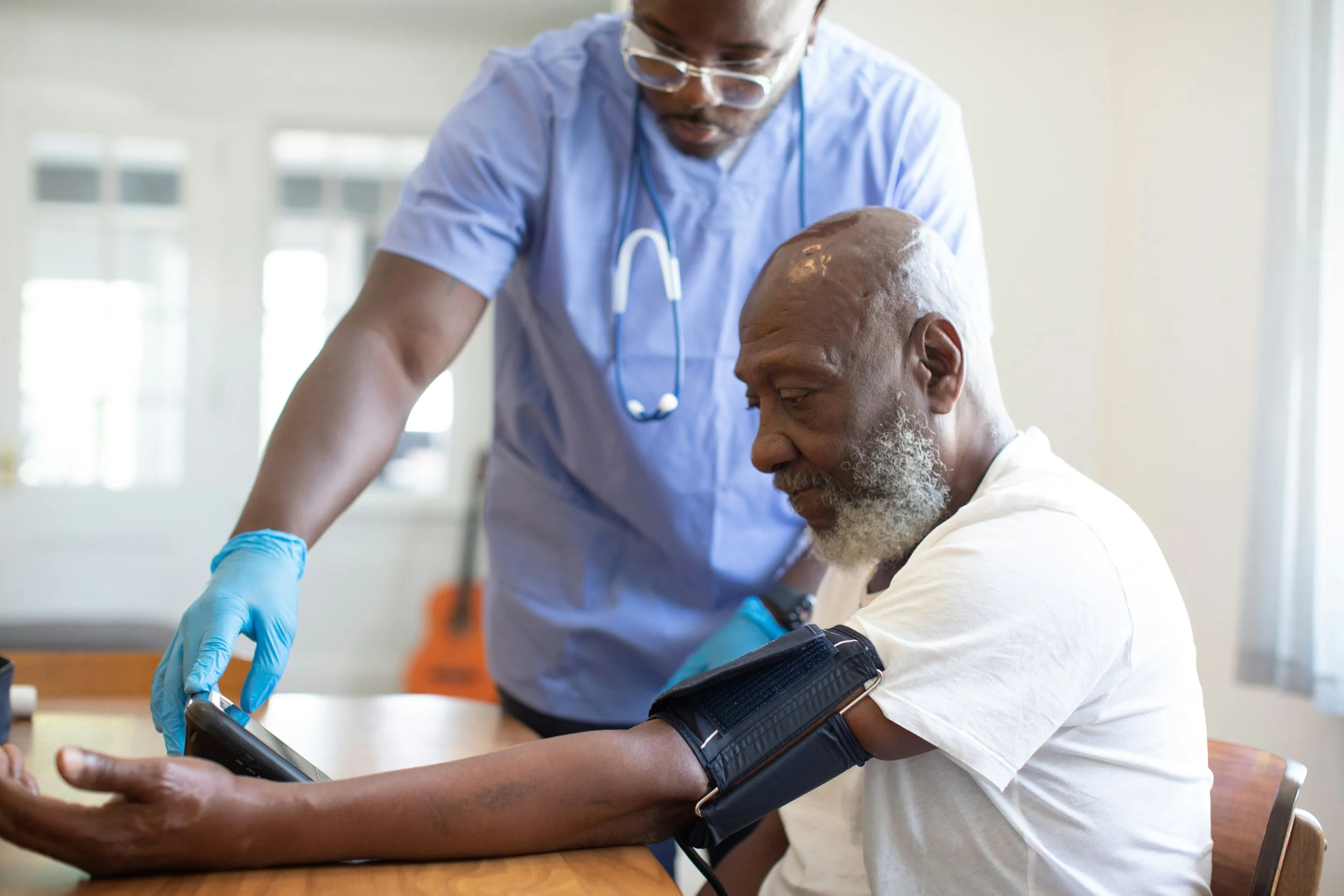
Participating in a clinical trial is a personal decision, and one that should be fully informed, respected, and protected. Everyone who considers joining a trial has rights that safeguard their safety, dignity, and autonomy. At the heart of this is informed consent: a process that ensures you clearly understand the purpose of the study, the potential risks and benefits, and what your participation involves, in plain language, not legal jargon. You always have the right to ask questions, request accommodations, and withdraw from the trial at any time, for any reason.
Beyond these core protections, it’s also important to talk about equity. Rare disease trials have historically lacked diverse representation, especially among 2SLGBTQIA+ participants, BIPOC communities, pediatric and elderly patients, disabled individuals, and people living in rural or low-resource areas. Barriers like language, geography, insurance coverage, and implicit bias often stand in the way of fair access. Some trials may offer compassionate use, a way for patients who don’t meet trial criteria to still access potentially life-saving investigational treatments outside of the formal research protocol.
We all have a role in ensuring clinical research reflects the full spectrum of the rare disease community. Understanding your rights and the ethical standards trials must follow, is a critical step toward that goal.
Participation Beyond Enrollment
Not everyone will enroll in a clinical trial, but everyone has a place in shaping them. There are powerful ways to get involved behind the scenes, many of which don’t require any medical participation at all. For example, patients, caregivers, and advocates can serve as community reviewers or advisors on Institutional Review Boards (IRBs), protocol teams, or patient advisory boards. These roles influence trial design and ensure research is centered around real-world lived experiences.
Sharing your story, whether through an advocacy organization, a panel, or a research partnership, can help study designers rethink inclusion, accessibility, and relevance. Signing up for open patient registries is another important way to move research forward, even if you’re not trial-ready. By helping promote diversity in clinical research, you help build a stronger, more equitable future for rare disease treatment.
Help Shape the Future of Rare Research
Every trial tells a story, and yours can help transform research. Whether you’re a patient, caregiver, clinician, researcher, advocate, industry partner, or anyone else involved in rare disease clinical trials, your insight matters.
We’re currently building a powerful storytelling space to spotlight the lived realities behind clinical research: the challenges, the breakthroughs, the gaps, and the unexpected moments of humanity along the way. This is your invitation to be part of it.
Are you helping design a more equitable trial? Navigating participation as a queer or BIPOC advocate? Supporting a child through the process? Struggling to access opportunities in rural areas? We want to hear from you.
If you have a story, perspective, or experience related to designing, participating in, or supporting rare disease trials, we’d love to collaborate. Submit your interest below; this platform was built for you.