Pride Briefing 2025
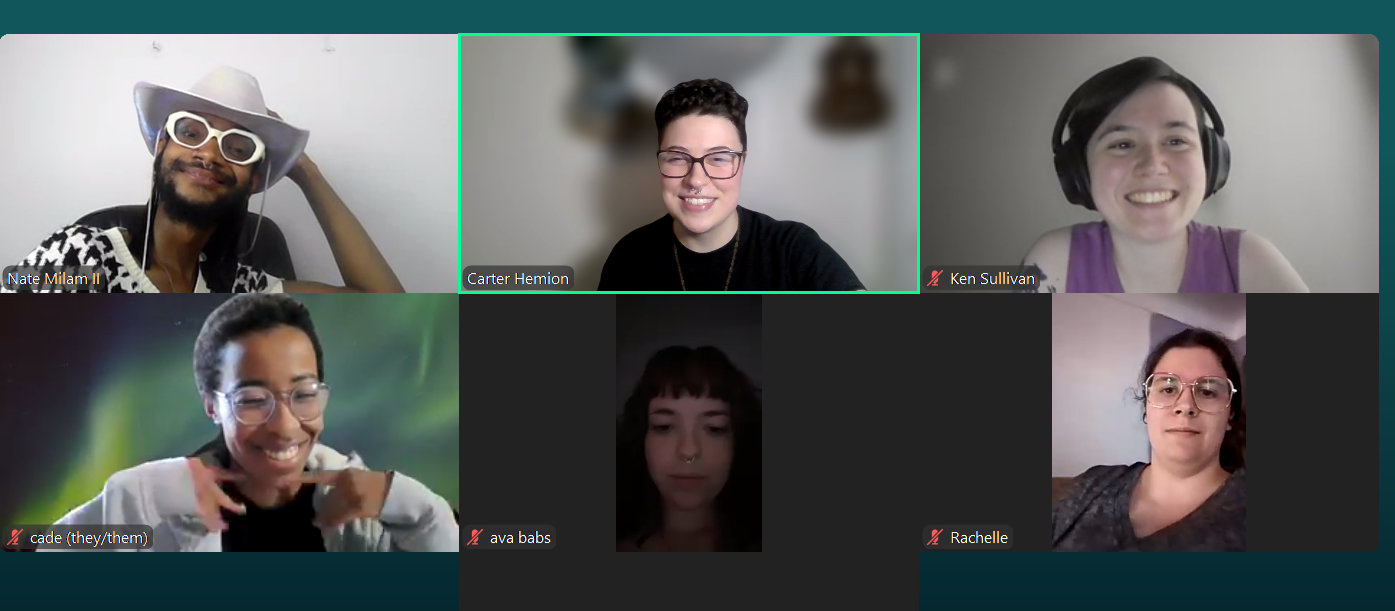
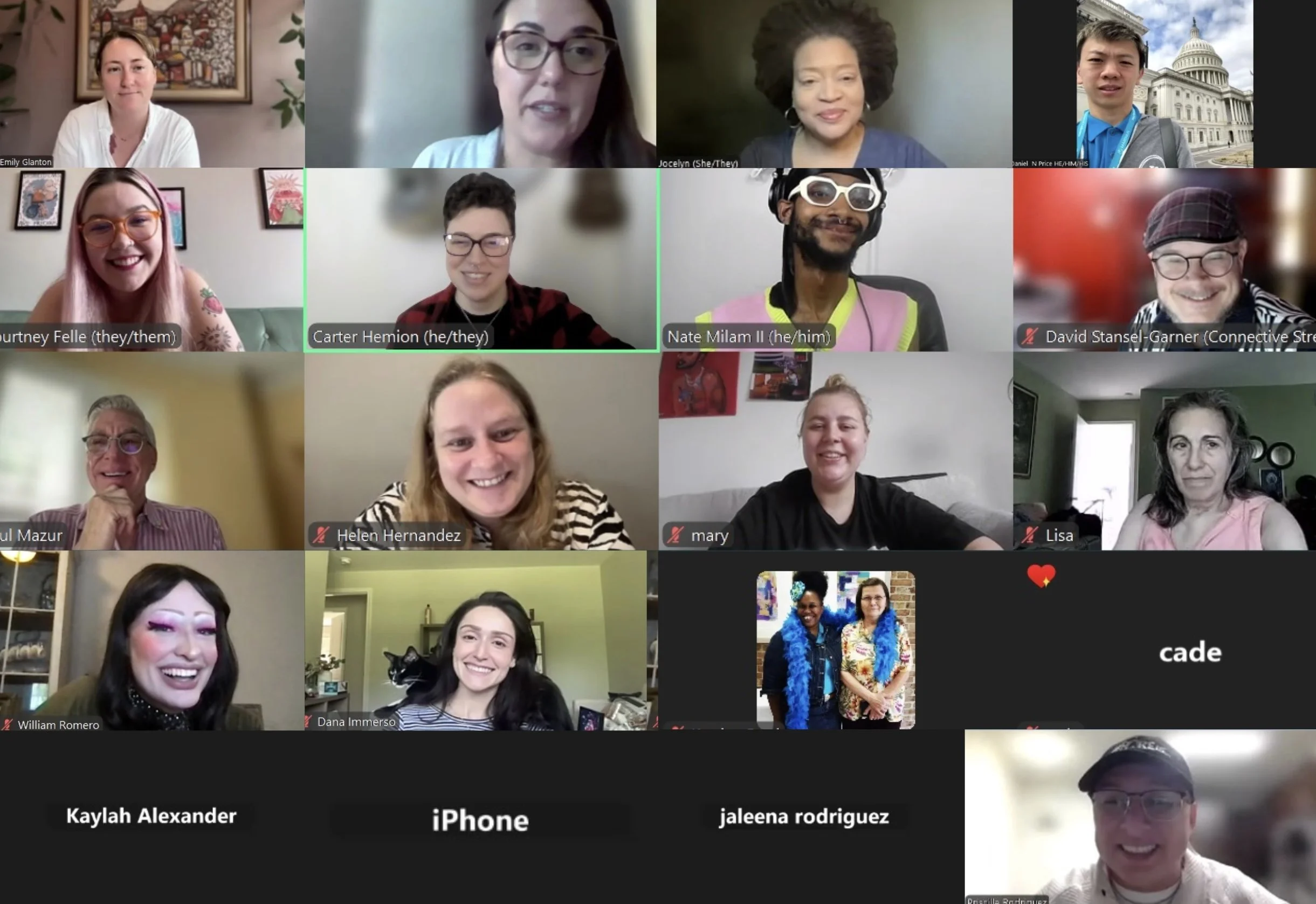
The Rare & Radiant Pride Briefing was a powerful space where lived experience met action. Hosted by SOS during Pride Month, this virtual gathering brought together 2SLGBTQIA+ rare disease patients, advocates, researchers, and policy leaders to name truths that are too often overlooked, about access, visibility, identity, and survival at the margins of care. Our speakers educated and ignited powerful conversation. Together, we unpacked the structural and cultural barriers queer rare disease patients face and co-created a list of shared priorities for change, centered on equity, inclusion, and intersectionality. From barriers in clinical trial access to the need for affirming providers, the dialogue was honest, brave, and deeply rooted in lived experience. The energy in the (virtual) room was undeniable. People showed up ready to speak, listen, and shift the narrative, and that’s exactly what we did. This briefing was a catalyst for long-term work, and a reminder that policy and healing must be built together, in community.
Advocacy Priorities
Policymakers at All Levels
Support research funding, incentivize orphan drug development, increased newborn screening access and updates, regulation of medical costs, access to hormone replacement therapy and related care, reproductive health care, and policies improving data equity, clarity, and protection.
Oppose all anti-2SLGBTQIA+ bills, criminalization of and loss of privacy related to HIV and STIs, policies allowing intersex genital mutilation, cuts to Medicaid, addition of Medicaid work requirements, exclusion of undocumented immigrants from healthcare, increases in copay costs, bans on gender transition care, bans and funding prohibitions on abortion care, and all proposals that would limit access
Federal Agencies
Improve clarity in drug labeling to reduce harms of white labeling to patients for the sake of profit.
Continually develop guidance for Contract Research Organizations (CROs) and regulatory bodies on how to bring together patient communities, industry, payers, and agencies to collaborate on shared issues.
Healthcare Providers
Understand patients as people beyond their diagnosis.
Proactively seek training and connections with patient advocacy groups to understand rare diseases, 2SLGBTQIA+ populations, intersex variations, and best practices for serving these populations.
Push against cisheteronormativity and stigma around intersex bodies.
Take the time to learn about complex conditions when treating patients. Own up to mistakes and misdiagnoses.
Industry & Researchers
Collaborate with patient organizations to continually get to know those impacted by products and include patients as stakeholders from the beginning of research and development. Continually access resources developed by patient advocates to learn about what matters most to them in therapy development from the beginning.
Reframe strategic outreach to patient communities to connect with, listen to, and build trust with them to promote more inclusive and diverse clinical trials with culturally competent language. Thoroughly share information about the investigation and desired outcomes for transparency, even when keeping more detailed information for internal use only.
Learn about common experiences in patient populations and consider how strict criteria and boilerplate language may limit significant demographics of patient community, rare or ultra-rare variants of conditions, and those with multiple common comorbidities in addition to the primary condition being studied.
Patient Advocacy Groups
Connect with other stakeholders and use your voice to advocate for community priorities.
Develop and share resources with allies on how to support someone through a diagnosis or discovering their identity.
Consider who is invited and who is not in the room when planning events.
Proactively work with diverse communities to reach patients where they are at.
Payers/Insurance
Expand telemedicine access
Improve coverage of off label treatments
Improve access to whole genome sequencing
Reminders for 2SLGBTQIA+ Rare Disease Community Members
Understand yourself and your intersectionality. Get to know your mind, body, and spirit, keeping in mind that you are the expert of you. Take up space and embrace yourself; hold your power.
Set boundaries to take care of yourself. Remember that you cannot take care of anyone else without taking care of yourself first.
Build intergenerational and cross-community relationships.
You are strong and resilient. Put it into action.
Reminders for Allies
Support organizations that build networks, fund research, and provide emotional support to patient communities.
Understand that being 2SLGBTQIA+ and being rare, ultra-rare, and/or undiagnosed are all natural variations of being human.
Health equity means every identity, every story, every single time.
Conclusion
As a 2SLGBTQIA+ rare disease community, we have identified numerous needs across all aspects of our lives that impact our ability to survive and thrive. We ask all stakeholders of the rare disease ecosystem to reduce burden on patients and families by practicing allyship every day. This can look like learning from 2SLGBTQIA+ rare disease community members and sharing our resources, taking action on community priorities you are involved with in the rare disease space, supporting community-led initiatives with your time, donations, and/or voice, or even creative collaboration with community leaders to push forward our most urgent initiatives. Together, we are building a stronger rare disease community and invite you to join us in being the change we need to save and improve quality of life for 2SLGBTQIA+ rare disease patients and families.