Audre Lorde
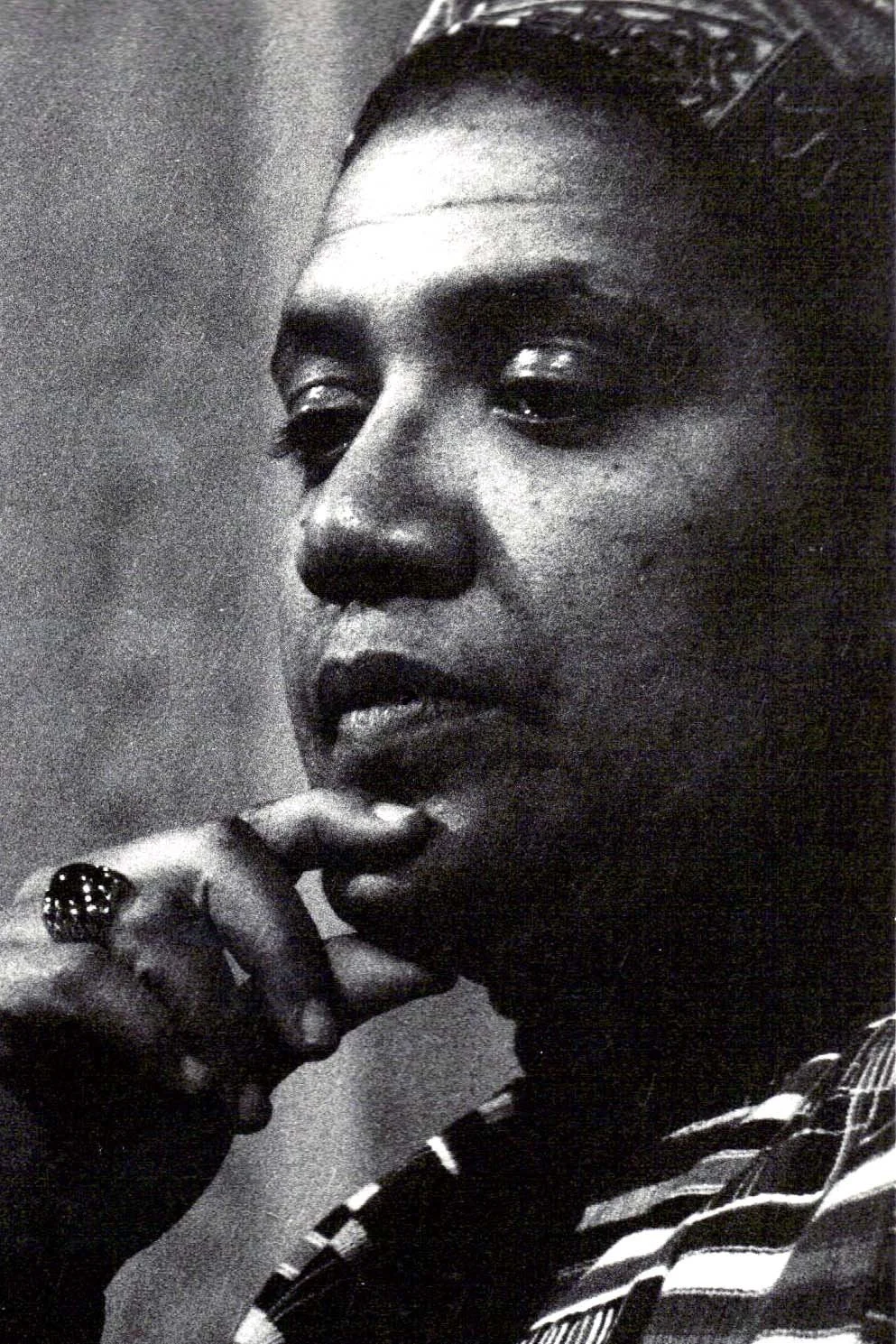
February 18, 1934 - November 17, 1992 (58)
“If I didn't define myself for myself, I would be crunched into other people's fantasies for me and eaten alive.”
Activist/Artist/Performer
Biography
Audre Lorde (she/her) was a self-described “Black, lesbian, mother, warrior, poet” whose work redefined how the world understands identity, resistance, and liberation. A writer, teacher, and activist, Lorde dedicated her life to confronting systems of injustice while celebrating the transformative power of difference. Through her poetry, essays, and public advocacy, she taught generations that our diversity is not a weakness, but a wellspring of collective strength.
Born Audrey Geraldine Lorde on February 18, 1934, in Harlem, New York, to Grenadian immigrant parents, she discovered the power of language early on. As a teenager at Hunter High School, Lorde turned her pain and isolation into poetry, speaking her truth even when others could not hear it. Her first published poem appeared in Seventeen magazine after a teacher rejected her work, an early act of defiance that foreshadowed a lifetime of refusing silence.
After earning her bachelor’s degree from Hunter College and a master’s degree in library science from Columbia University, Lorde worked as a librarian throughout the 1960s. Her years in that profession reflected her lifelong belief in the accessibility of knowledge and the importance of creating spaces for marginalized voices.
In 1962, she married Edwin Rollins, a white gay man, with whom she had two children, Elizabeth and Jonathan. Though their marriage eventually ended, it reflected the complex negotiations queer people made in a world hostile to their existence. Her move to Tougaloo College in Mississippi in 1968 as a poet-in-residence marked a turning point in both her personal and professional life; she met psychology professor Frances Clayton, her long-term partner, and fully embraced her identity as a lesbian poet.
That same year, Lorde published her first poetry collection, The First Cities, followed by Cables to Rage (1970) and From a Land Where Other People Live (1973), the latter earning her a National Book Award nomination. Through these works, she wrote candidly about race, sexuality, womanhood, and survival, refusing to separate the personal from the political.
Lorde’s poetry evolved into a force of cultural critique and healing. The Black Unicorn (1978) drew on African mythology to explore ancestral power and spiritual resilience, while her “biomythography,” Zami: A New Spelling of My Name (1982), wove memoir, history, and myth into a revolutionary story of self-definition as a Black lesbian woman. Her 1984 essay collection Sister Outsider remains one of the most cited works in feminist and queer theory, featuring her seminal essay The Master’s Tools Will Never Dismantle the Master’s House, which called for solidarity built through difference rather than sameness.
In 1977, Lorde was diagnosed with breast cancer, a struggle she transformed into activism and art. Her 1980 work The Cancer Journals broke the silence surrounding illness, womanhood, and identity, offering a groundbreaking exploration of body, loss, and resilience. Lorde refused to be reduced to a victim, instead reclaiming the word “warrior” to describe women surviving against the odds.
Her activism extended beyond her writing. She co-founded Kitchen Table: Women of Color Press in 1981 with Barbara Smith and Cherríe Moraga, the first U.S. publishing outlet dedicated to works by women of color. She also helped found Sisterhood in Support of Sisters in South Africa, an organization fighting apartheid and advocating for global solidarity among women.
Throughout her career, Lorde spoke across movements, civil rights, feminism, LGBTQ+ liberation, insisting that none could be free until all were free. Her poetry readings and public lectures challenged white feminists to confront racism, urged Black activists to include women and queer voices, and inspired countless individuals to live authentically and courageously.
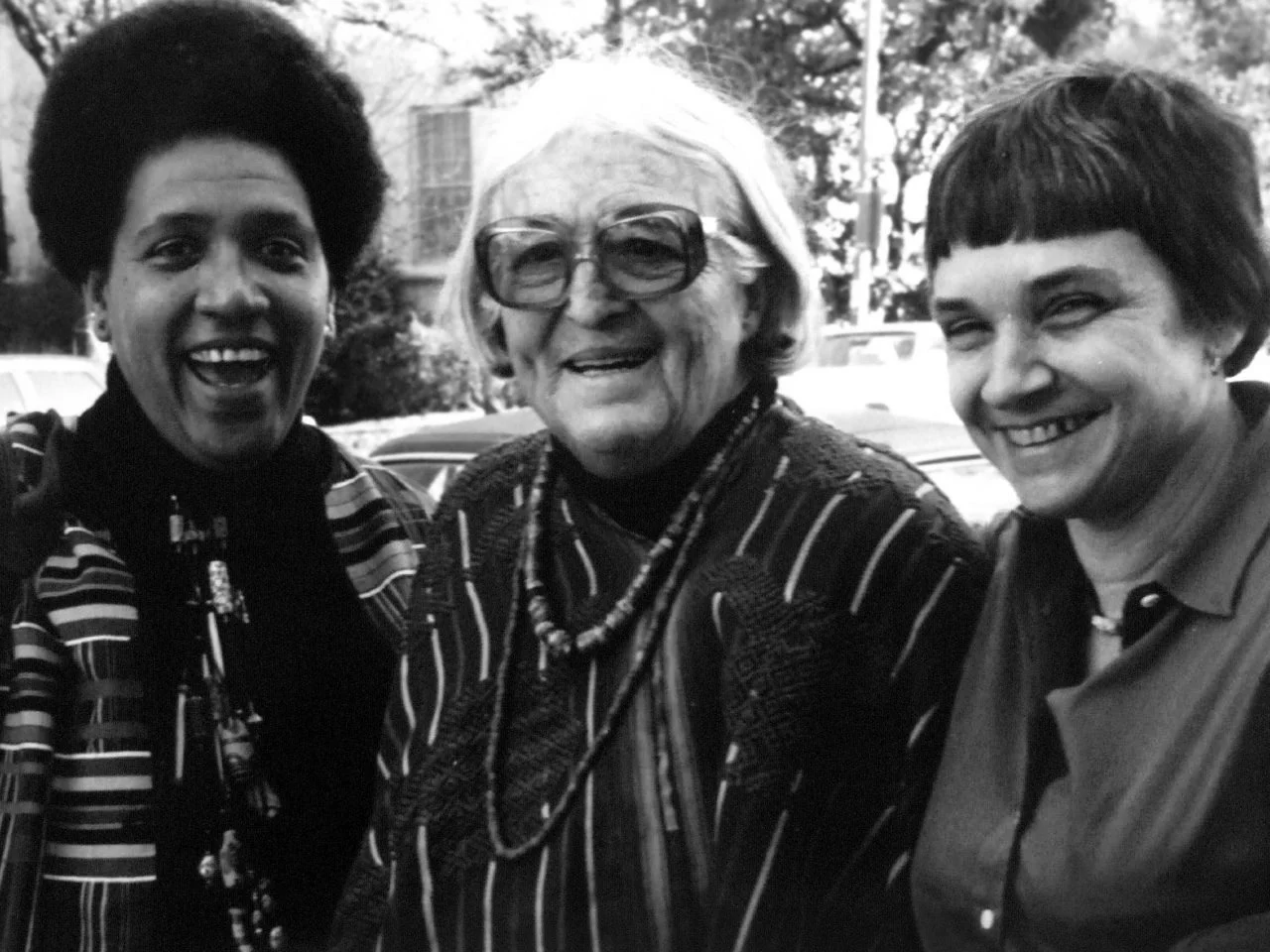
Even as she battled breast and later liver cancer, Lorde continued to write, teach, and organize. Her final years, spent in St. Croix with her partner Gloria Joseph, were marked by continued activism and reflection. There, she co-founded community organizations and co-authored Hell Under God’s Orders, documenting the devastation of Hurricane Hugo and the U.S. government’s inadequate response.
In her final act of self-naming, shortly before her death in 1992, Lorde participated in an African naming ceremony, taking the name Gamba Adisa, meaning “Warrior: She Who Makes Her Meaning Known.” It was a perfect reflection of a life lived in fierce truth and unapologetic visibility.
Today, Audre Lorde’s influence lives on through every scholar, activist, and artist who dares to speak their truth at the intersections of identity. Her insistence that difference is power continues to guide movements for racial, gender, and LGBTQ+ equity.