

Bayard Rustin
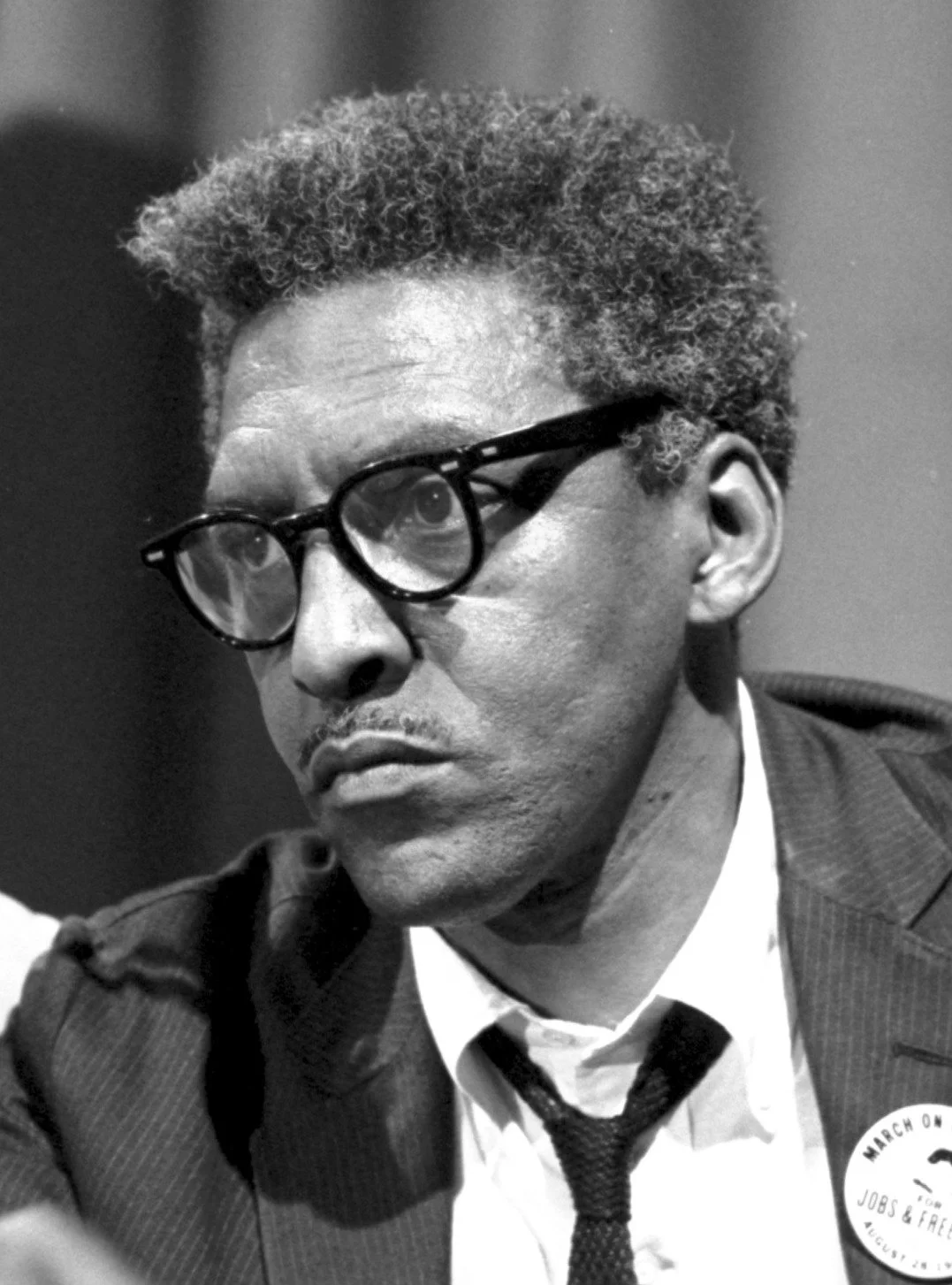
March 17, 1912 - August 24, 1987 (75)
"Gay people are the new barometer for social change.”
Political Trailblazer
Biography
Bayard Rustin (he/him) was one of the most brilliant, strategic, and overlooked architects of the Civil Rights Movement, a man whose courage, intellect, and unwavering sense of justice changed the course of American history, even as his own identity was used to silence him.
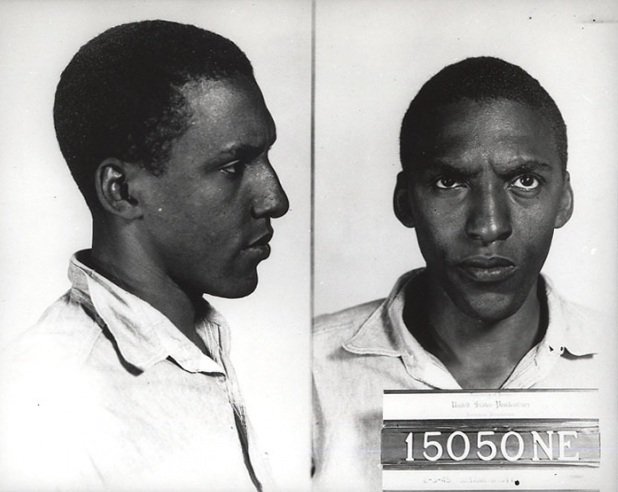
Born in 1912 in West Chester, Pennsylvania, and raised by his Quaker grandparents, Rustin grew up immersed in the principles of peace, equality, and nonviolence that would shape every step of his journey. Long before the sit-ins or marches that defined the 1960s, Rustin was already a committed activist. In the 1940s, he organized early Freedom Rides, then called “Journey of Reconciliation”, to challenge segregation on interstate buses. He also served time in prison for refusing military service during World War II, standing firmly by his pacifist beliefs.
Rustin’s brilliance as a strategist soon brought him to the center of the Civil Rights Movement. He became a key advisor to Dr. Martin Luther King Jr., introducing King to the philosophy and methods of nonviolent resistance inspired by Gandhi. Behind the scenes, Rustin was the movement’s engine, writing speeches, building coalitions, and planning logistics that made national demonstrations possible.
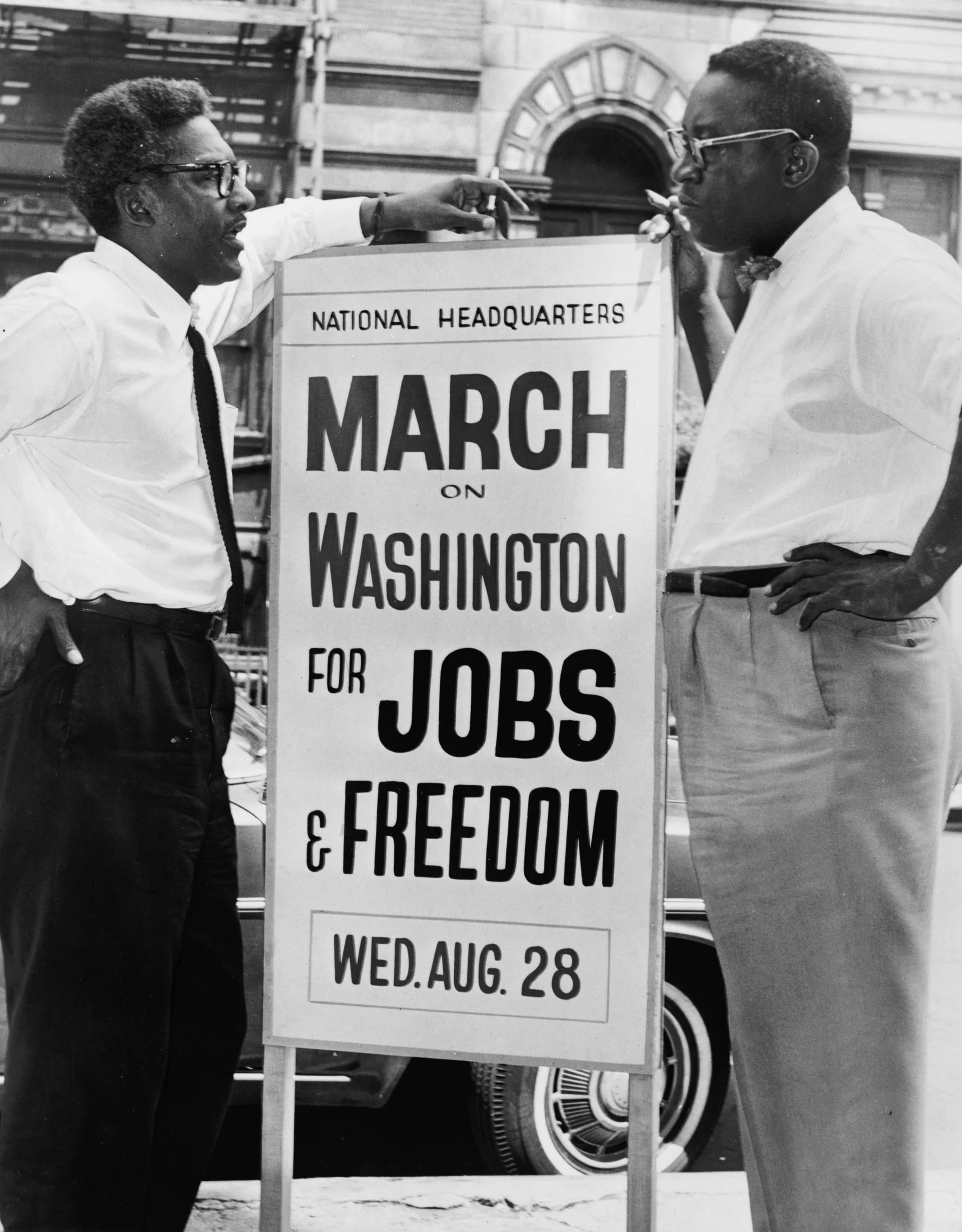
In 1963, Rustin masterminded one of the greatest political mobilizations in U.S. history: the March on Washington for Jobs and Freedom. His meticulous planning and visionary leadership helped bring more than 250,000 people to the nation’s capital, where King would deliver his iconic I Have a Dream speech.
Yet Rustin’s name was often left out of the history books. His open homosexuality and a prior arrest for “moral cause” were used to discredit him in an era when being gay could destroy one’s career and reputation. Rustin refused to hide, but he chose to protect the movement by stepping back from public recognition. His quiet power became an act of selfless leadership, a sacrifice rooted in his belief that the cause was greater than the individual.
After the peak of the Civil Rights Movement, Rustin continued to push the boundaries of justice. As the head of the A. Philip Randolph Institute, he fought to integrate labor unions, expand economic opportunity for Black Americans, and build alliances between the labor and civil rights movements. His vision extended far beyond U.S. borders, he joined humanitarian missions to Vietnam, Cambodia, and Haiti, always emphasizing that peace and justice must be global.
By the 1980s, Rustin had turned his attention to the emerging LGBTQ+ rights movement and the AIDS crisis. He saw queer liberation as the next frontier of human rights, famously declaring, “Gay people are the new barometer for social change.” His words captured a universal truth: that how society treats its most marginalized members reveals its moral core.
Bayard Rustin died on August 24, 1987, in New York City at age 75, following complications from a perforated appendix. In his final years he remained active in human-rights and LGBTQ+ advocacy, famously declaring that “gay people are the new barometer for social change.” Though too often sidelined during his lifetime because of his sexuality, his legacy has grown steadily: he was awarded the Presidential Medal of Freedom in 2013, and ongoing efforts to archive his work underline his continuing relevance. Bayard Rustin’s death did not mark the end of his influence but rather magnified it, reminding us that the strategic minds behind movements are as vital as their visible faces. His life and work stand as a testament to intersectional activism, coalition-building, and the power of unapologetic presence in the fight for justice.