

James Baldwin
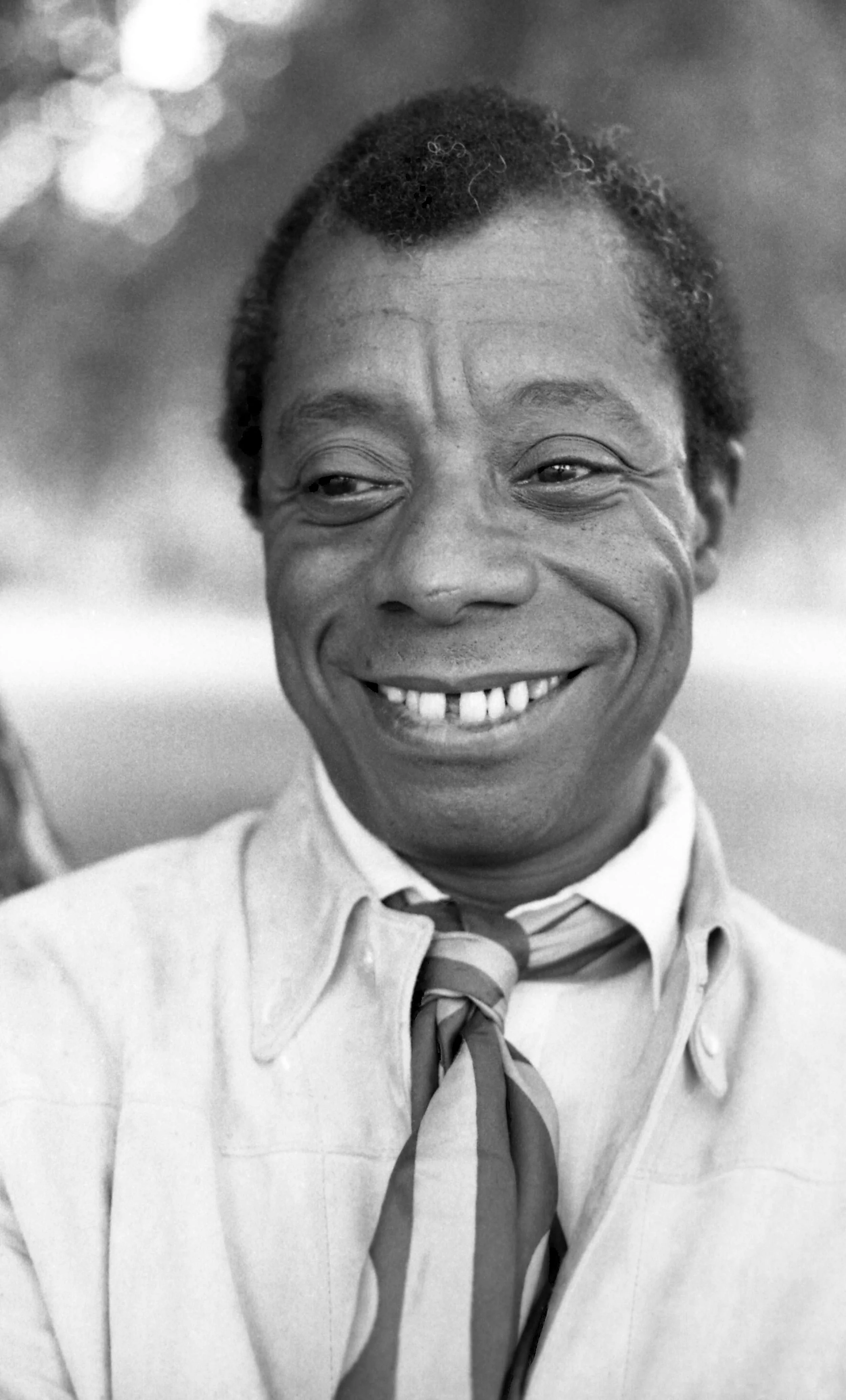
August 2, 1924 - December 1, 1987 (63)
“You think your pain and your heartbreak are unprecedented in the history of the world, but then you read. It was books that taught me that the things that tormented me most were the very things that connected me with all the people who were alive, who had ever been alive.”
Artist/Performer
Biography
James Baldwin (he/him) was one of the most influential literary and social voices of the 20th century, whose work continues to shape conversations about race, sexuality, and justice in America and around the world. Born in Harlem, New York, in 1924, Baldwin was raised by his mother and his strict stepfather, a Baptist preacher. Growing up in Harlem, a hub of Black culture, he was deeply influenced by the vibrant intellectual, artistic, and political energy of the community, including figures from the Harlem Renaissance like Countee Cullen. Early experiences with literature, theatre, and activism helped shape Baldwin’s lifelong commitment to truth-telling through art.
Baldwin’s childhood was marked by both hardship and inspiration. Living in the segregated neighborhoods of New York City, he witnessed the profound effects of racial inequality firsthand. His stepfather’s strict religious environment instilled a complex understanding of morality, sin, and redemption, motifs that would surface repeatedly in his writing. Baldwin discovered literature and theatre as avenues for self-expression, using writing as a means to explore his own identity as a Black man and as a queer individual in a society structured by prejudice.
Baldwin’s literary career began in the 1940s, a time when segregation and systemic racism defined American life. His novels, essays, and plays carved a path for new forms of social critique and personal exploration. Baldwin’s debut novel, Go Tell It on the Mountain (1953), drew on his Harlem upbringing and religious experiences to examine race, faith, and family. Subsequent works, including Giovanni’s Room (1956), which explored gay identity, and Another Country (1962), which examined interracial and queer relationships, challenged prevailing social norms and expanded the literary landscape of American fiction.
His essays, compiled in landmark volumes such as Notes of a Native Son (1955) and The Fire Next Time (1963), combined literary elegance with sharp social commentary. Baldwin confronted the psychological and structural effects of racism, insisting that America face its moral failures and grapple with the deep inequities shaping Black life. Across genres, his writing blended personal reflection, philosophical insight, and social critique, producing work that was both intellectually rigorous and profoundly human.
In 1948, Baldwin moved to Paris, seeking relief from the pervasive racism of the United States and a space to explore his full identity. Europe provided both creative freedom and personal refuge, allowing him to confront his sexuality openly and reflect on his artistic ambitions without the constant scrutiny he faced at home. During this period, he wrote some of his most influential works, establishing a reputation as a global voice on justice, identity, and human dignity.
While Baldwin lived abroad for much of his career, he remained deeply involved in the Civil Rights Movement. He engaged directly with leaders such as Medgar Evers, Martin Luther King Jr., Malcolm X, and Lorraine Hansberry, attending marches and demonstrations including the 1963 March on Washington and the Selma to Montgomery march. Baldwin’s intellectual rigor and moral authority allowed him to speak with policymakers, including leading a delegation of Black artists and intellectuals to meet Attorney General Robert F. Kennedy in 1963. There, he confronted the federal government on civil rights abuses in the South, exemplifying his commitment to justice both on and off the page.
Baldwin’s work consistently examined the intersection of race, sexuality, family, and community. His characters grappled with oppressive societal structures while seeking personal authenticity, love, and creative fulfillment. Baldwin portrayed love, sexual, spiritual, and communal, as a transformative force, highlighting interracial and same-sex relationships as sites of insight and social revelation.
He was also a chronicler of the Black American experience, capturing the complexity, resilience, and humanity of his community. Baldwin’s essays and speeches illuminated systemic inequality while challenging readers and listeners to confront uncomfortable truths about American society. His voice was one of moral clarity, empathy, and courage, a conscience for a nation wrestling with its ideals and contradictions.
Baldwin died in 1987 in St. Paul de Vence, France, leaving behind a body of work that continues to resonate globally. Critics have celebrated his writing for its clarity, lyrical precision, and moral urgency. He is remembered not only as a literary giant but also as a tireless advocate for human rights and equality. His insights into race, gender, and sexuality remain profoundly relevant, influencing generations of writers, activists, and thinkers.
Today, Baldwin is honored as a figure who confronted societal injustice with intellect, compassion, and artistry. His work endures as a testament to the power of literature to illuminate truth, challenge oppression, and inspire transformative change.